Isle Theory Editorial Team
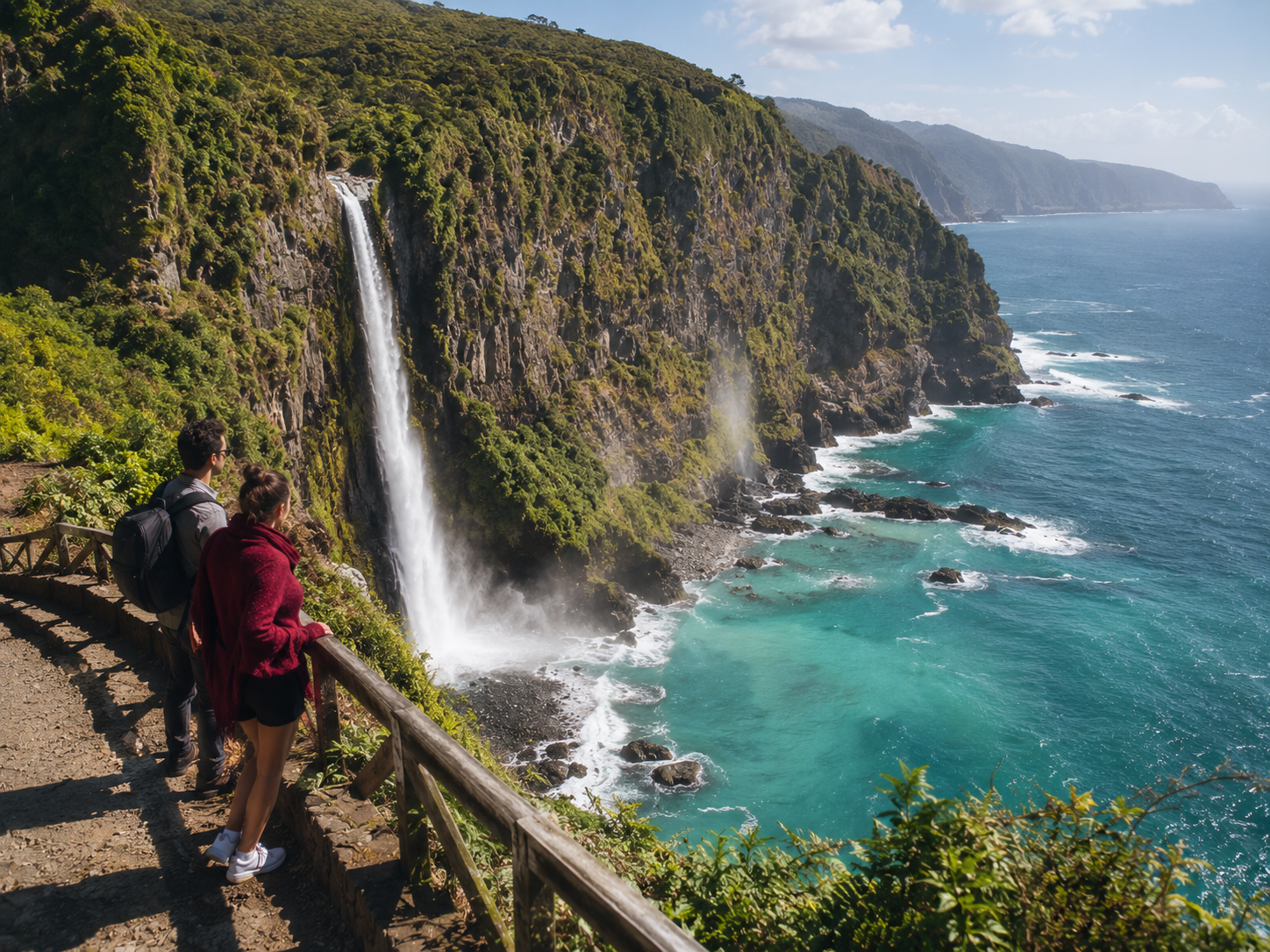
The sustainable travel destinations 2026 travelers are booking look different from a vague “eco-friendly getaway” — these are real places with specific, checkable programs behind them, not just a marketing label. What ties the seven below together isn’t a shared aesthetic or a single region — it’s that each one goes beyond simply reducing harm. Tourism dollars here actively fund conservation, community work, or restoration, which is a genuinely different promise than “low-impact” in the passive sense. Book any of these with real intention, and the trip itself becomes part of the reason the place stays worth visiting.
We looked for a specific pattern: places where a traveler’s money is doing something measurable — funding a marine sanctuary, keeping a rainforest corridor intact, supporting a certification system with real teeth. We skipped anywhere that only had a vague “green” reputation with nothing concrete behind it. Every destination below has at least one program, fee structure, or certification a reader can look up and verify for themselves.
Few places make the regenerative case as plainly as the Osa Peninsula. Roughly a quarter of Costa Rica’s land sits under some form of protection, and the country has been working toward a national carbon-neutrality goal since 2019. The Osa itself is home to some of the last old-growth rainforest left on the Pacific coast of Central America, and the ecotourism economy that’s grown up around it — solar- and hydro-powered lodges, guides trained in the local ecology, conservation nonprofits funded directly by visitor fees — is a large part of why that forest is still standing.
It’s a destination that rewards slowing down: multi-day stays inside the reserve system tend to fund conservation far more directly than a quick day trip ever could.
Palau did something no other country had tried before: it wrote conservation directly into its immigration process. Since 2017, every visitor has signed the Palau Pledge — a promise stamped right into their passport — to tread lightly and act as a good guest of the islands. It’s backed by real policy, not just ceremony: Palau’s National Marine Sanctuary protects the vast majority of its national waters, and Green Fees collected from visitors fund marine monitoring, waste management, and local environmental education. For a country this small, the scale of what it’s protecting is genuinely striking.
Bhutan’s approach predates the current sustainable-travel conversation by decades. Its “High Value, Low Impact” tourism policy — funded through a nightly Sustainable Development Fee — exists specifically to keep visitor numbers manageable while funneling tourism revenue into healthcare, education, and cultural preservation. The country’s constitution requires that at least 60% of its land stay forested, and Bhutan currently keeps considerably more than that under tree cover. It’s not a spontaneous or budget trip, and it isn’t meant to be — the whole model is built around fewer visitors having a deeper, more considered experience.
Slovenia built an entire national framework — the Green Scheme of Slovenian Tourism — to formalize what a lot of destinations only claim informally. Ljubljana became the country’s first Slovenia Green Destination back in 2015 and was later named a European Green Capital, and the scheme itself now includes hundreds of certified destinations, hotels, and attractions across the country. What makes it worth visiting rather than just admiring from afar is the range: a genuinely walkable, green capital city on one end, and the high alpine trails of the Julian Alps on the other, both operating under the same accountability system.
Helsinki has been ranked the world’s most sustainable city destination by the Global Destination Sustainability Index for three years running. That’s not a marketing claim — the index scores destinations across dozens of measurable categories, from environmental performance to how transparently a city manages its own tourism impact. The city backs it up with substance: extensive cycling infrastructure, a genuinely usable public transit system, and close to 23,000 acres of parks and forest per 100,000 residents. It’s proof that a “sustainable destination” doesn’t have to mean remote or rustic — sometimes it just means a capital city that’s built its systems well.
Sardinia’s version of this story is quieter, built village by village rather than through one big national program. The island’s Ecotourism Network connects local operators, guesthouses, and associations across a growing string of certified, sustainability-minded communities, deliberately steering visitors toward the interior and away from an over-concentrated coastline. Explore it by e-bike between UNESCO-recognized biosphere reserves and salt pans where flamingos gather, and it becomes clear the appeal isn’t just the beaches everyone already knows about — it’s everything Sardinia has protected further inland.
The Alentejo is essentially slow travel’s philosophy applied to an entire region. Rather than concentrating development along the coast, Portugal’s tourism strategy has deliberately steered growth inland — restored country estates, working vineyards, and small-scale agrotourism rather than resort sprawl. Cork forests, olive groves, and stone villages like Monsaraz set the pace here, and current planning explicitly favors low-density stays over high-volume ones. It rewards exactly the kind of trip where you pick one region and actually stay a while, rather than passing through.
None of these places are asking travelers to sacrifice comfort or beauty for the sake of a lighter footprint — if anything, the opposite is true. A well-run destination tends to be a genuinely better trip: quieter trails, more intact ecosystems, communities that actually benefit from having you there. That’s really the throughline across all seven — the places doing this well aren’t doing it instead of good tourism. They’re doing it as good tourism.
Costa Rica’s Osa Peninsula, Palau, Bhutan, Slovenia, Finland, Sardinia, and Portugal’s Alentejo region all stand out this year for having concrete, verifiable conservation or low-impact tourism programs behind them, rather than a vague “eco” label.
It depends on the destination. Bhutan is a genuine splurge by design, since its Sustainable Development Fee is built to keep visitor numbers low. Places like Slovenia and Sardinia, on the other hand, can be surprisingly comparable in cost to a standard European trip.
Eco-friendly generally means reducing harm — using less water, generating less waste. Regenerative goes a step further: the money spent actually funds active conservation, restoration, or community programs, so the destination is left better off than it would have been without tourism at all.
Some do and some don’t. Bhutan requires visitors to book through a licensed operator as part of its tourism policy. The others can be visited independently, though booking certified local guides and lodges tends to be where the actual conservation funding goes.
We research and select every product featured on Isle Theory. Our recommendations reflect independent editorial judgment, not paid placement.